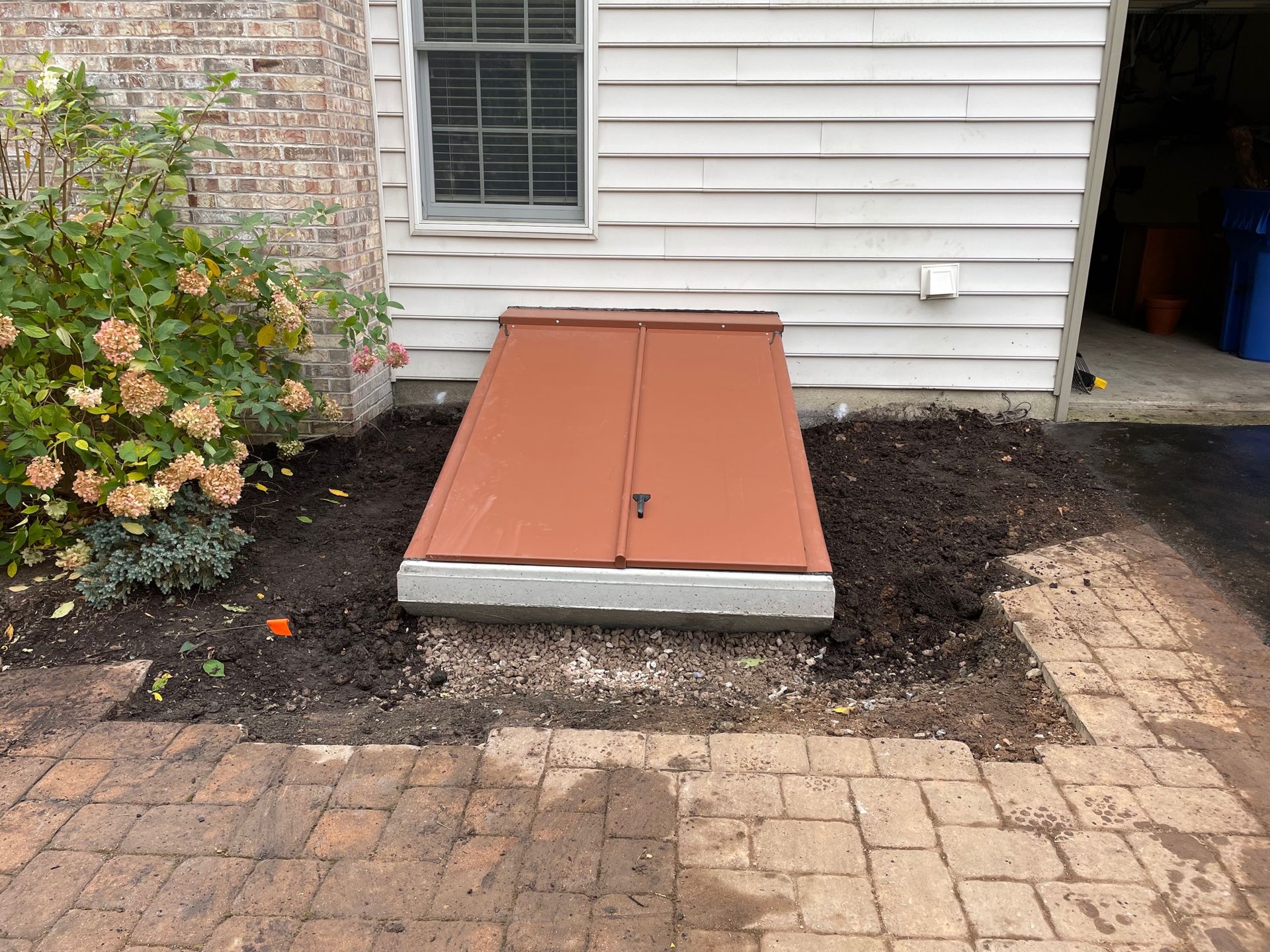
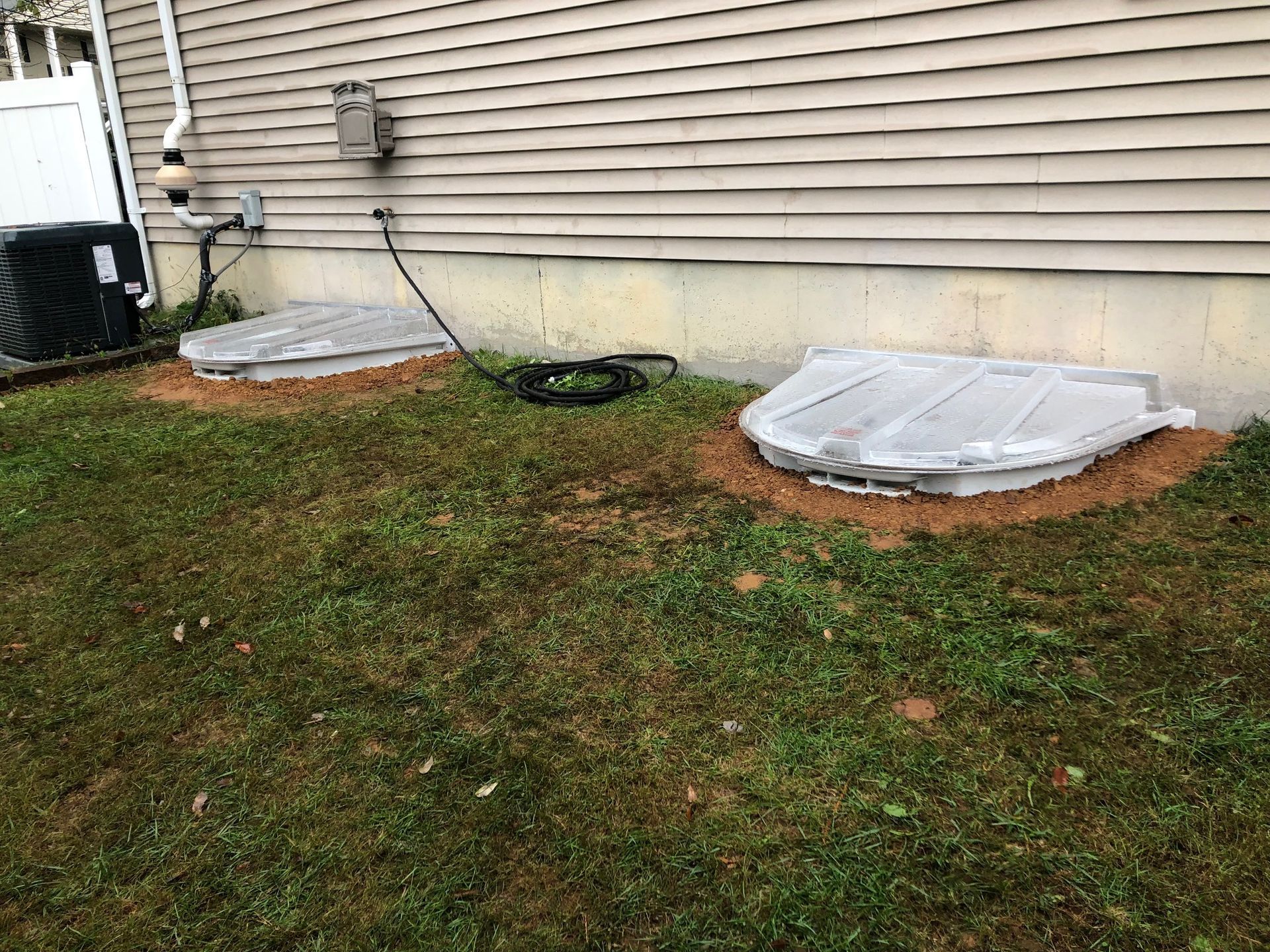
Excavation Requirements For A Winter PermEntry Egress Installation
Adding a precast stairwell to an existing foundation requires massive earthmoving and precise mechanical coordination. Digging through dense rocky soil in the dead of winter presents unique physical challenges that amateur contractors simply cannot handle. Egress Systems, Inc. operates specialized machinery to execute deep excavations safely and efficiently. Proper site preparation prevents collapsed trench walls and ensures the new concrete structure sits perfectly level against your home.
What to expect during the dig:
- Managing frozen topsoil and clay
- Lowering the precast stairwell
- Backfilling for soil stability
- Common installation questions
Managing Frozen Topsoil And Clay
Winter excavations demand heavy diesel machinery capable of ripping through two feet of frozen Pennsylvania clay. Trying to dig a massive stairwell hole with rented subcompact equipment guarantees broken hydraulic lines and shattered bucket teeth. We map out all buried gas and electrical lines before deploying heavy tracked excavators to clear the site. Removing this massive volume of dirt safely requires a calculated approach to prevent the surrounding yard from caving into the fresh hole.
Lowering The Precast Stairwell
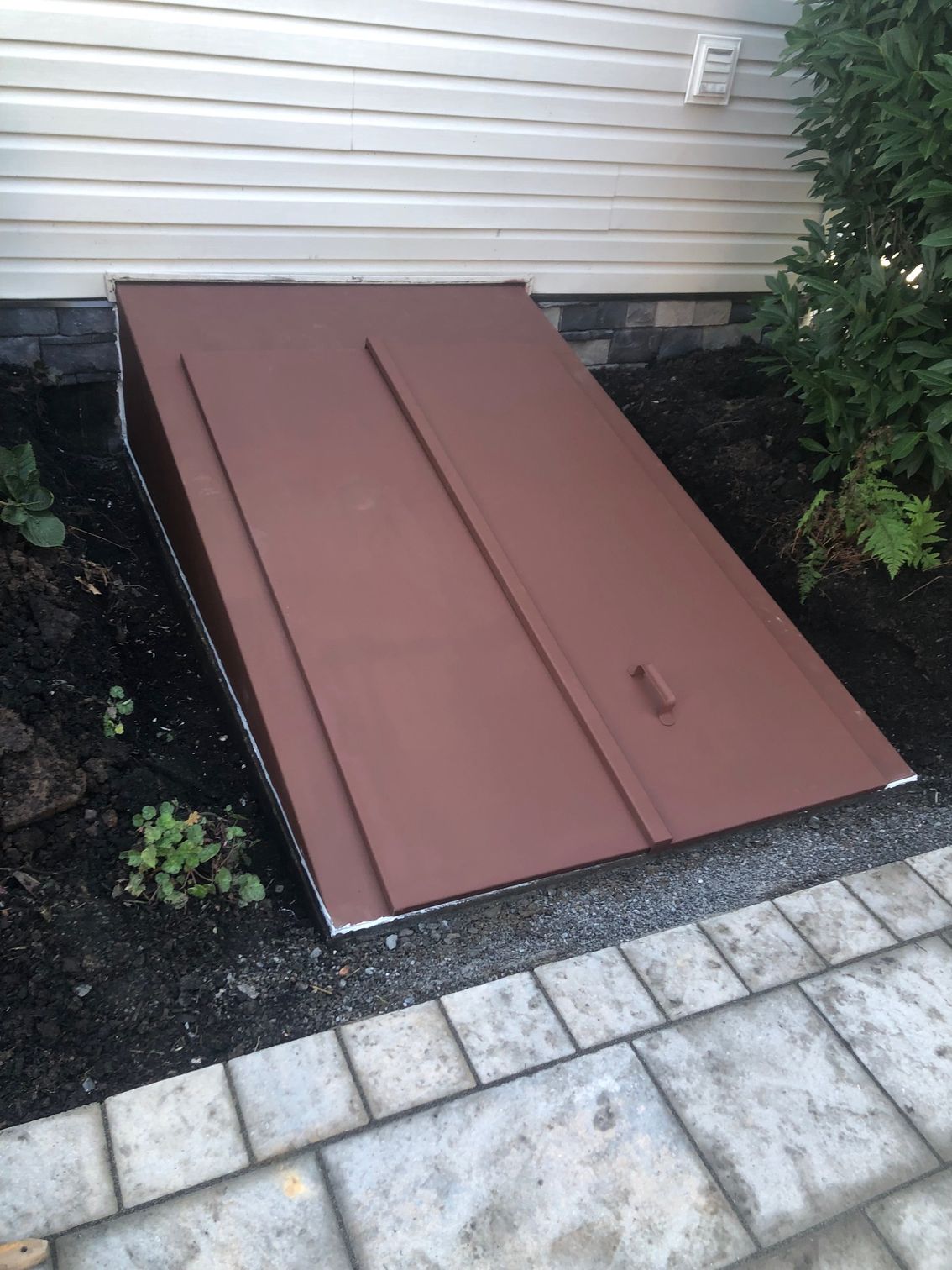
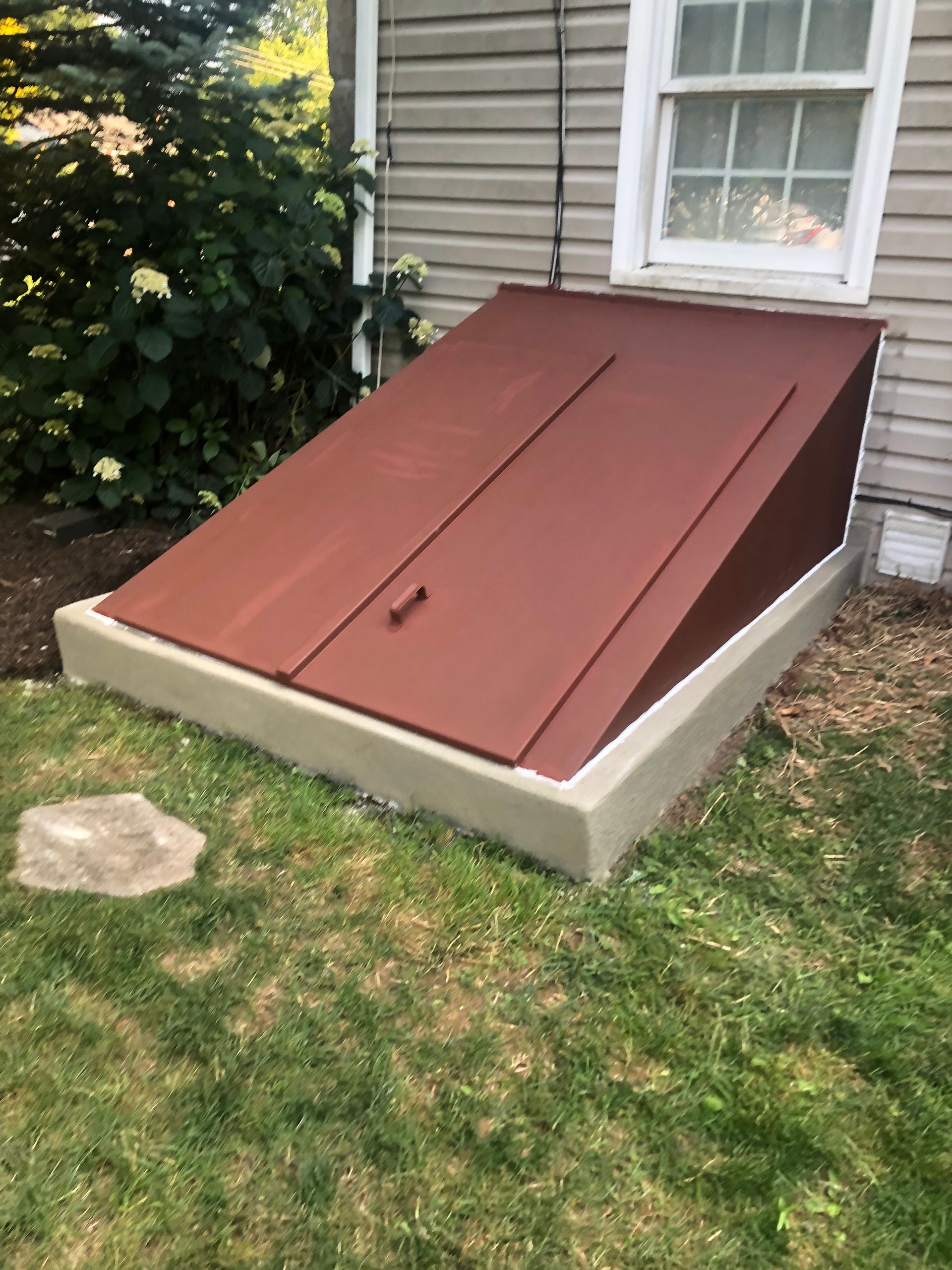
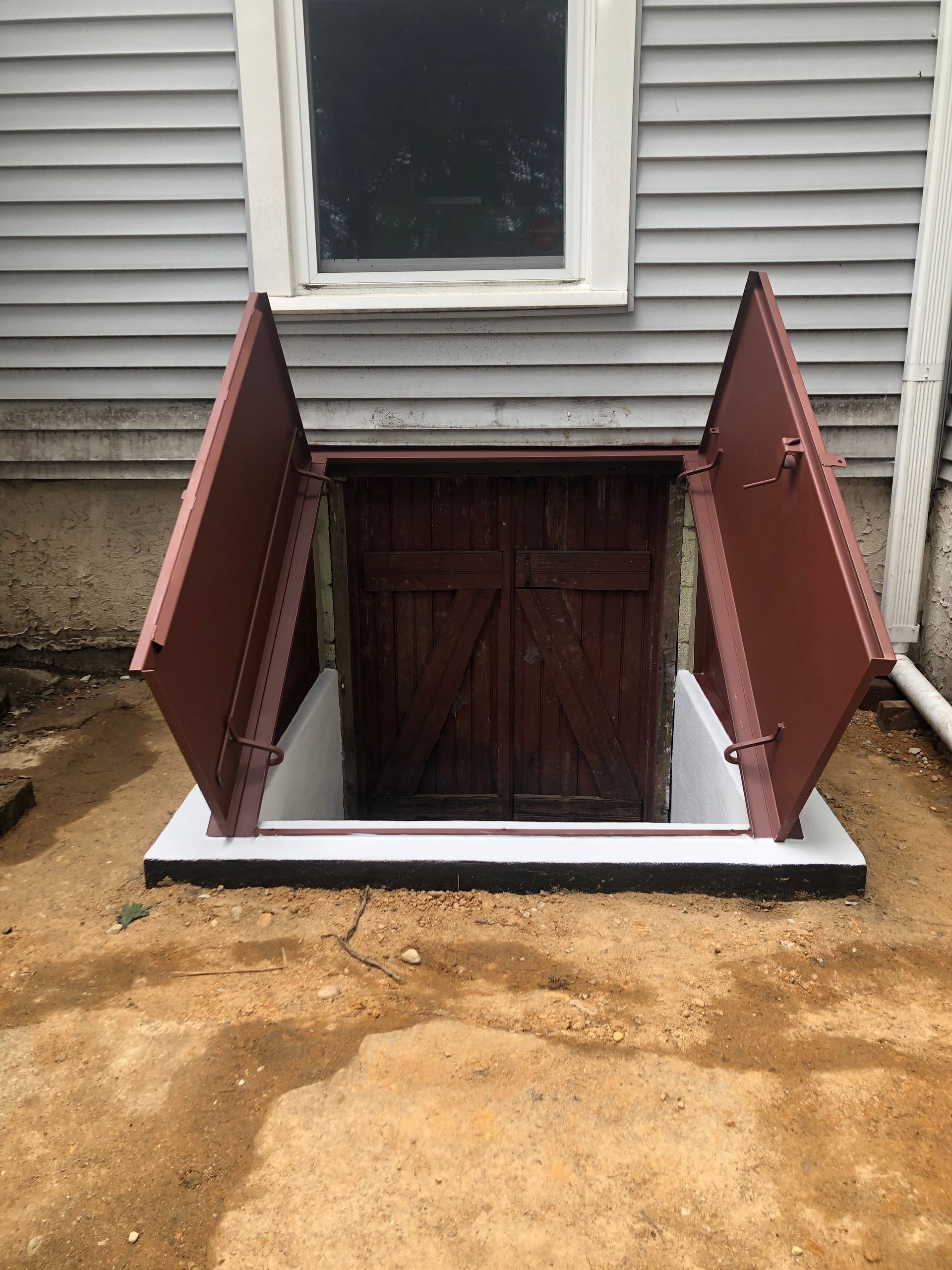
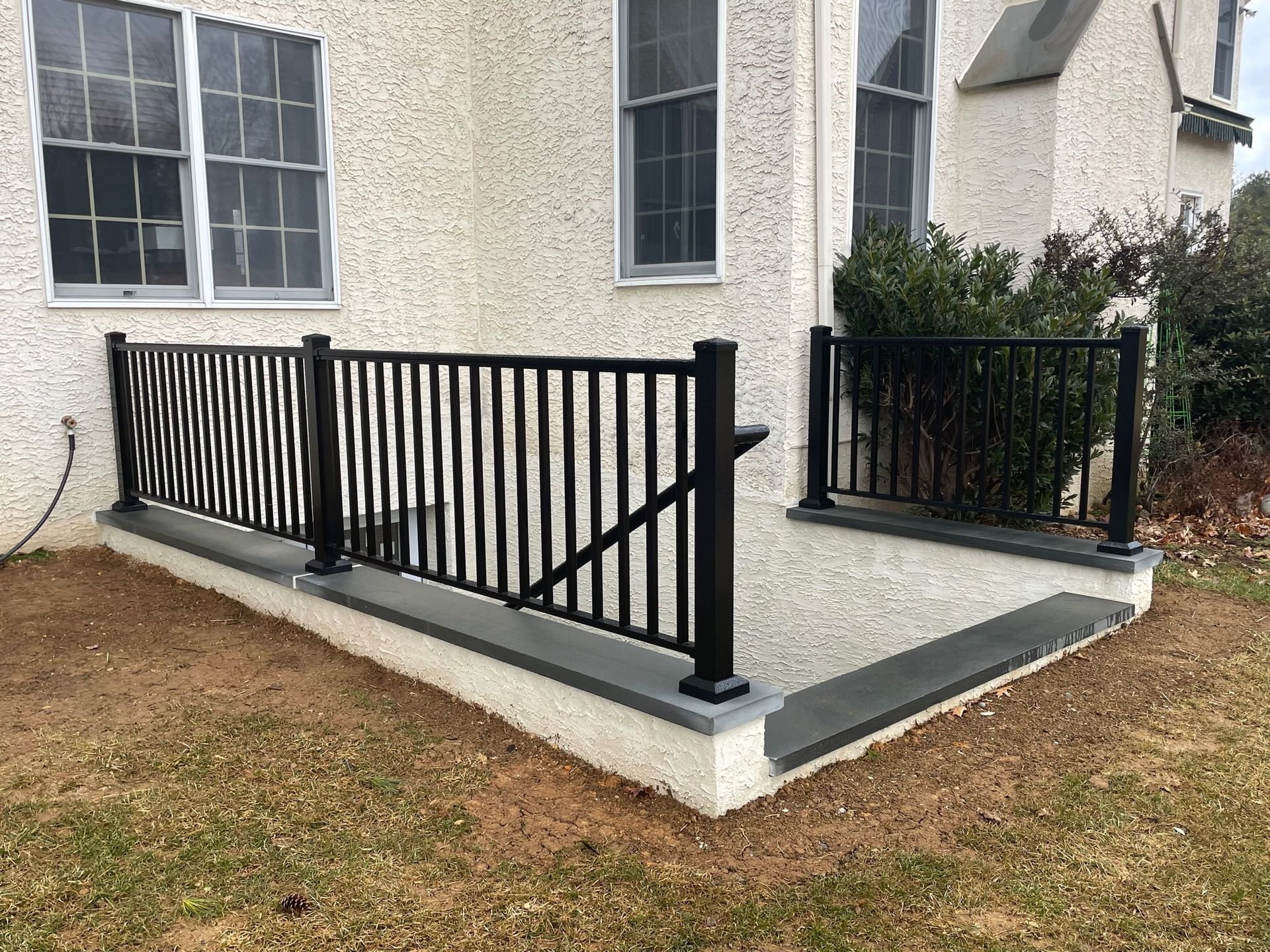
Customers observing the process usually ask how is a precast basement stairwell installed safely. A heavy crane lowers the precast PermEntry Egress unit onto a mechanically compacted gravel bed before technicians bolt it directly to the cut foundation wall. We use diamond-tipped wet saws to cut a precise opening through your existing basement wall without vibrating or cracking the surrounding cinderblocks. Once the crane sets the heavy concrete stairs in place we bolt the flanges to the wall and seal the entire perimeter with commercial waterproofing mastic.
Backfilling For Soil Stability
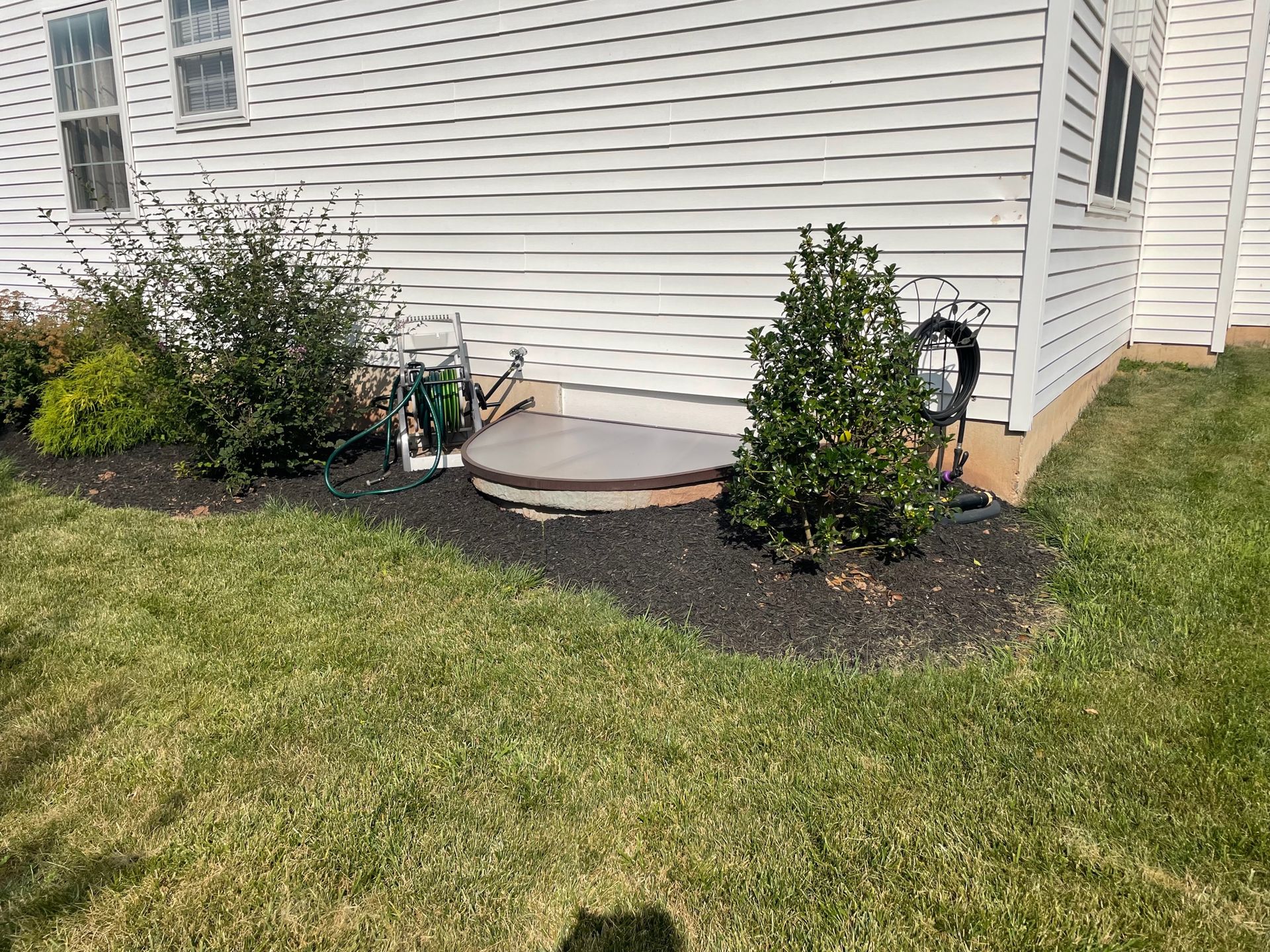
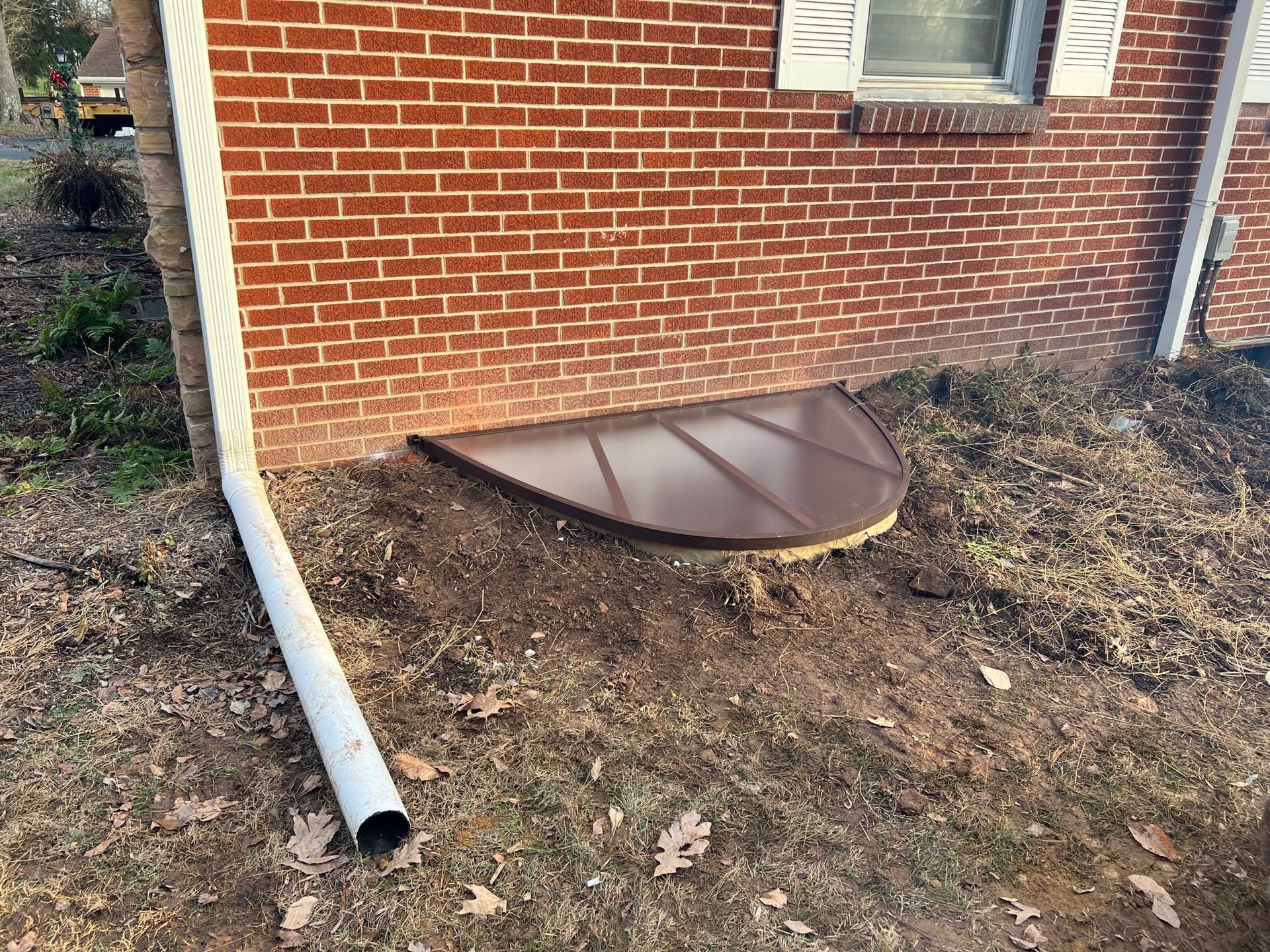
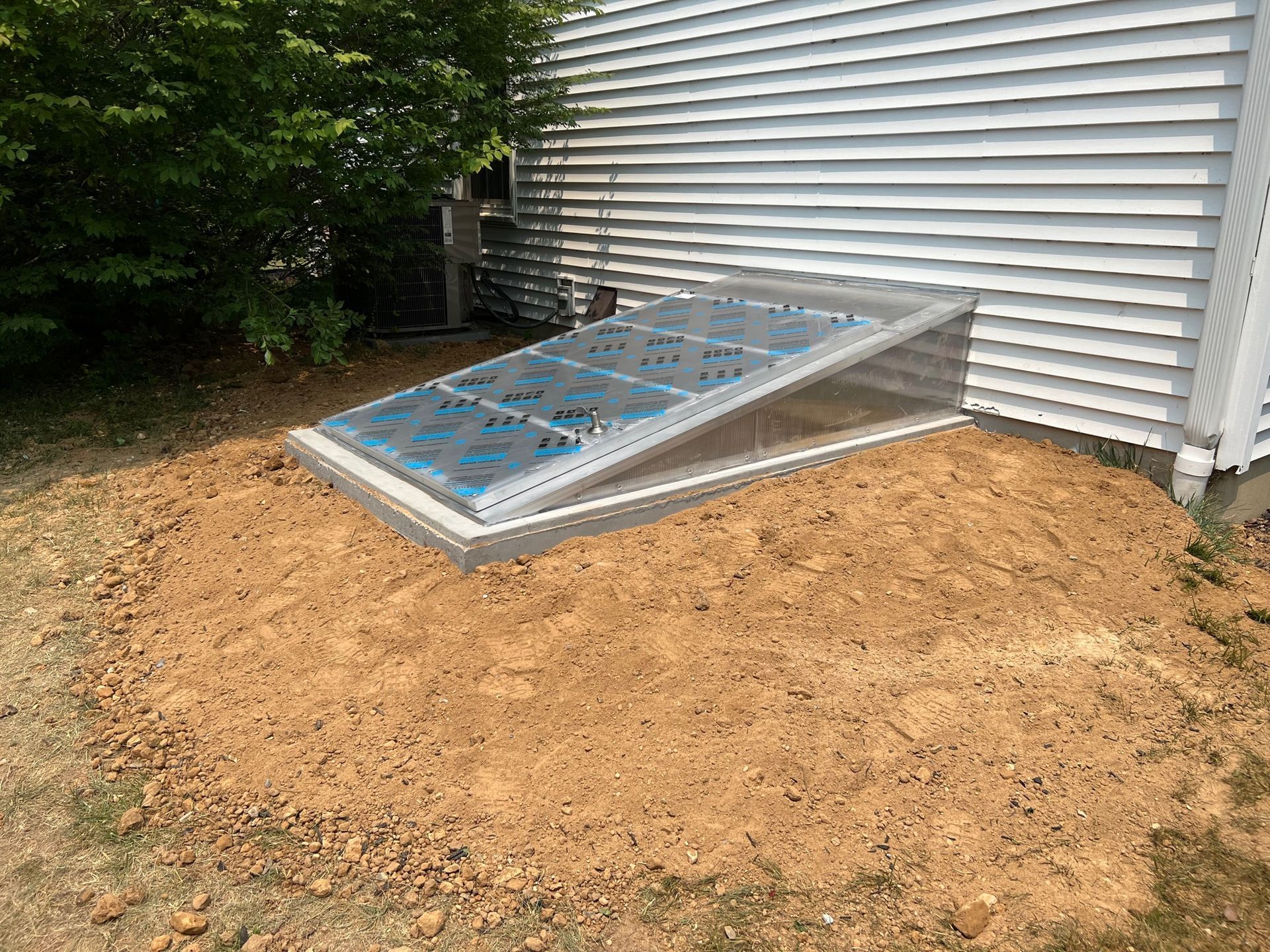
The final step of the excavation involves pushing the dirt back around the new concrete structure. Tossing loose frozen chunks of dirt against the stairwell guarantees massive sinkholes when the spring thaw arrives. We backfill the trench using clean granular material and mechanical plate compactors to press the soil down firmly in small layers. This methodical compaction process ensures the ground slopes away from the new stairwell to redirect melting snow away from the foundation. Property owners in Delaware County and Berks County rely on this rigorous ground management to protect their landscaping.
A clean professional site cleanup is a mandatory part of our construction process.
► Client Experience: "I would highly recommend Gary and his company. He was very thorough knowledgeable and efficient with installing a permentry for my basement. He was easy to work with and his crew was neat and polite."
Aaron Dagostino proves that operating heavy machinery around residential properties requires a neat polite and highly organized crew.
Frequently Asked Questions
Does the precast concrete crack in the cold?
The PermEntry units are poured in a climate-controlled factory using high-PSI concrete and heavy steel rebar reinforcement making them incredibly resistant to winter cracking.
How long does the excavation and installation take?
A standard precast stairwell installation typically takes just one to two days from the first bucket of dirt removed to the final door being bolted in place.
Finalizing Your Exterior Access
Executing a deep foundation dig requires strict safety protocols and heavy industrial machinery. Partnering with seasoned excavation experts prevents disastrous utility strikes and crumbling trench walls. Reach out to our project managers to schedule your site evaluation today.
Share This Blog