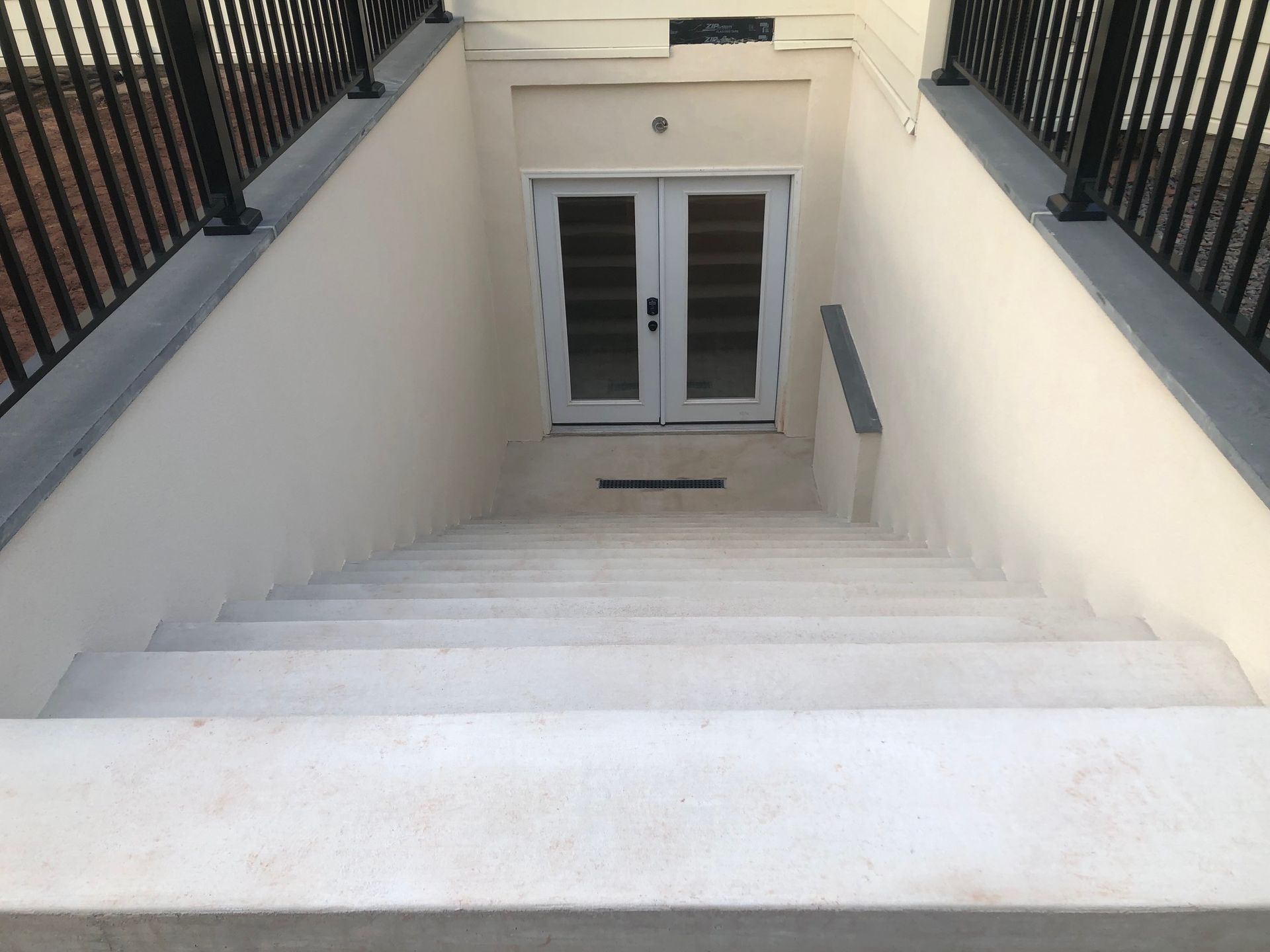
Stop Winter Drafts by Installing Energy-Efficient Egress Windows Now
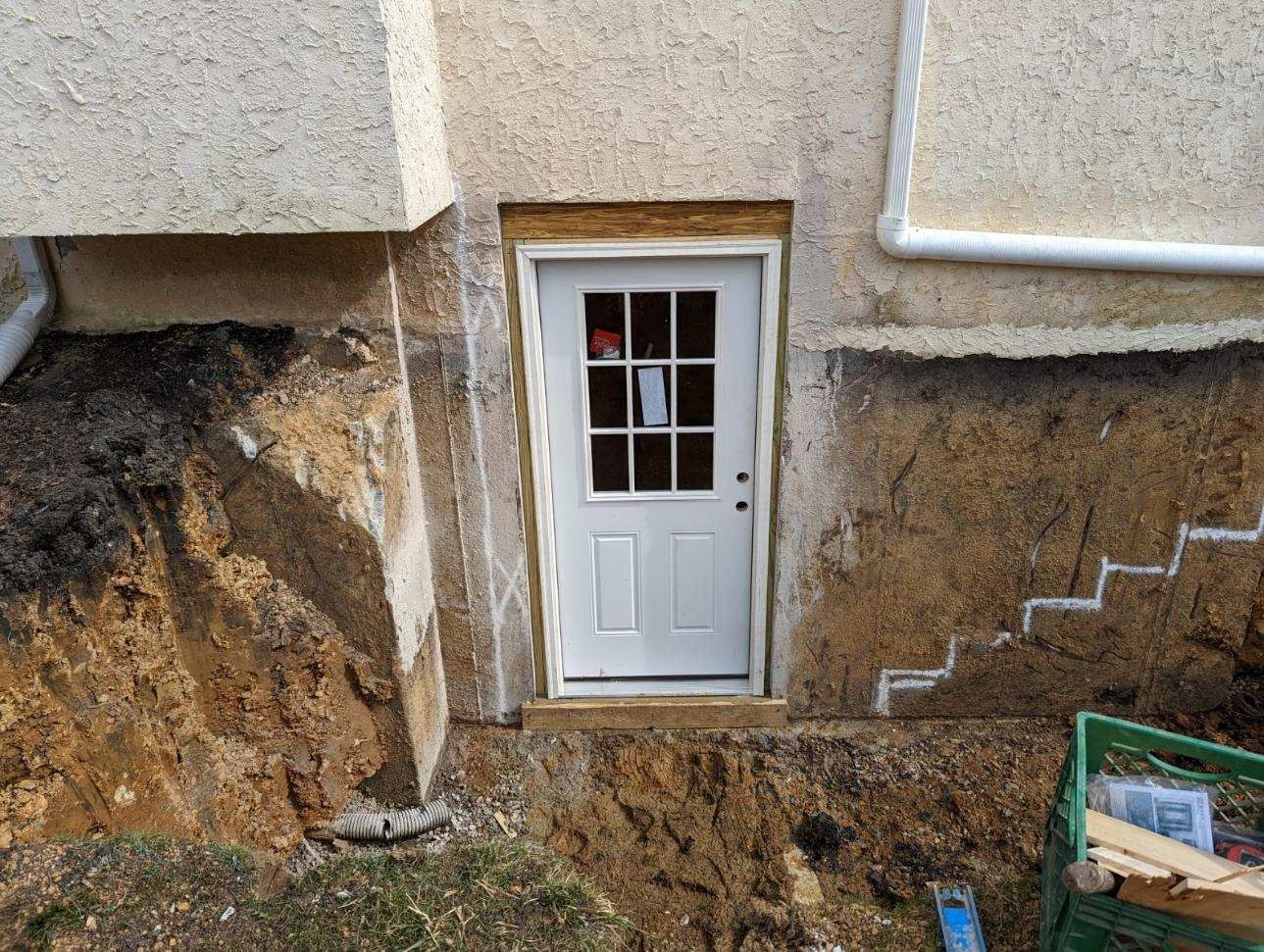
Freezing winds push through old, single pane basement glass and rob your home of expensive heating energy. If your current windows rattle in their tracks, you are paying to heat the neighborhood. At Egress Systems, Inc., we help homeowners in Bucks County lock out the cold by installing energy-efficient egress windows. Upgrading your basement escape routes before the bitter cold arrives is the smartest way to lower your winter utility bills.
Modern building codes require emergency exits to be large and accessible, meaning a poorly insulated egress window acts as a massive thermal leak. We have created a simple guide to help you evaluate your current setup and understand the value of modern window technology. Following these tips ensures your finished basement stays comfortably warm while meeting all safety regulations.
What to Know
- Tip 1: Identify Draft Sources Around Old Frames
- Tip 2: Evaluate Window Well Insulation
- Tip 3: Understand the Role of Double Glazing
- Tip 4: Check for Proper Drainage Before Freezing
- Frequently Asked Questions
Tip 1: Identify Draft Sources Around Old Frames
The easiest way to stop heat loss is to find out exactly where the cold air enters your basement. Old steel frames rust and separate from the concrete block over time.
- Visual Gaps: Check the perimeter of the window frame from the inside for any visible daylight shining through the mortar joints.
- Draft Testing: Hold your hand near the latch and hinges on a windy day to feel for cold air pushing past the worn out weather stripping.
- Condensation Checks: Look for heavy moisture or ice forming on the inside of the glass, which proves the window offers zero thermal resistance.
Tip 2: Evaluate Window Well Insulation
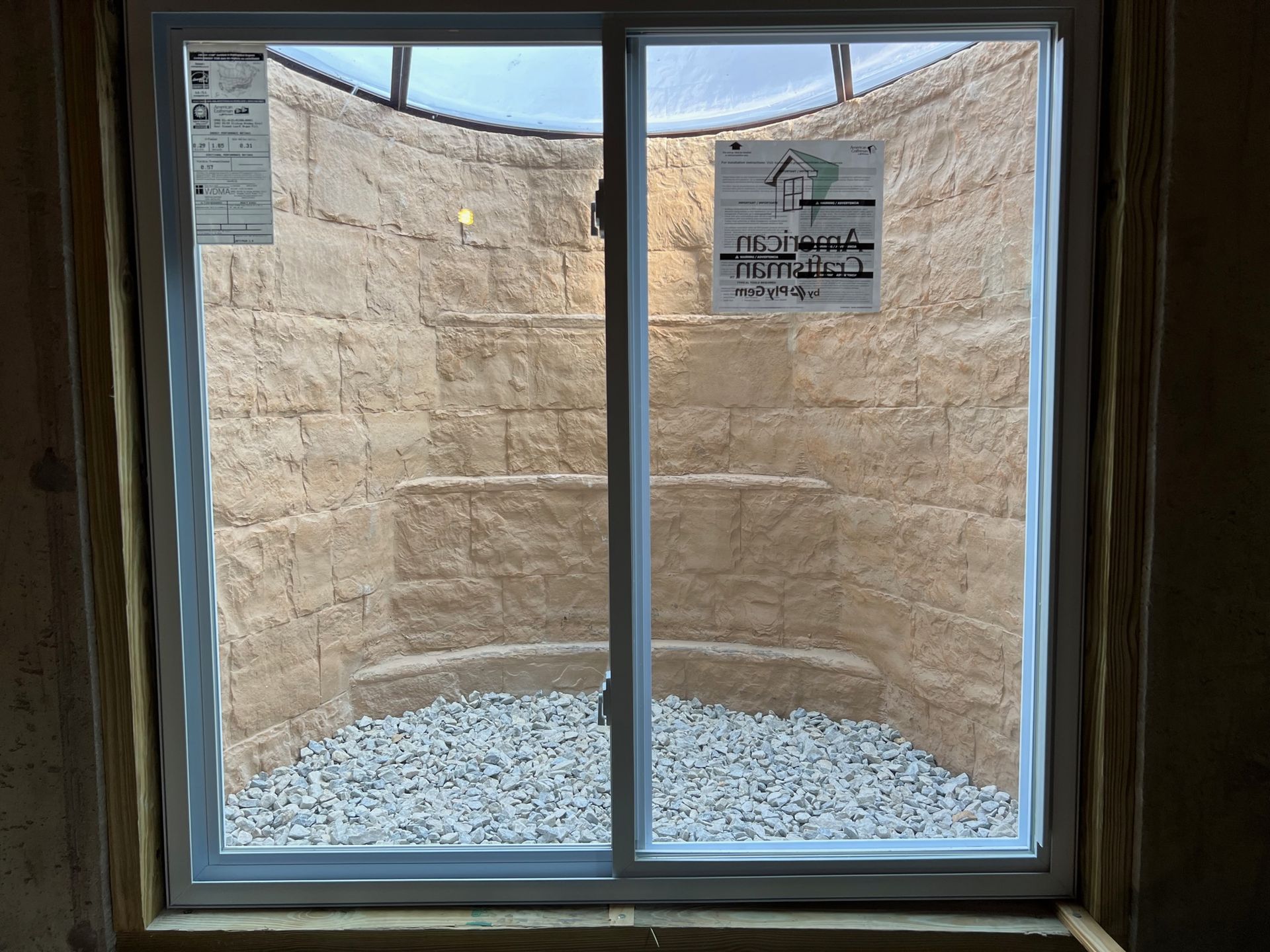
The well outside your window plays a massive role in temperature control. A poorly fitted cover allows freezing wind to pack snow directly against the glass.
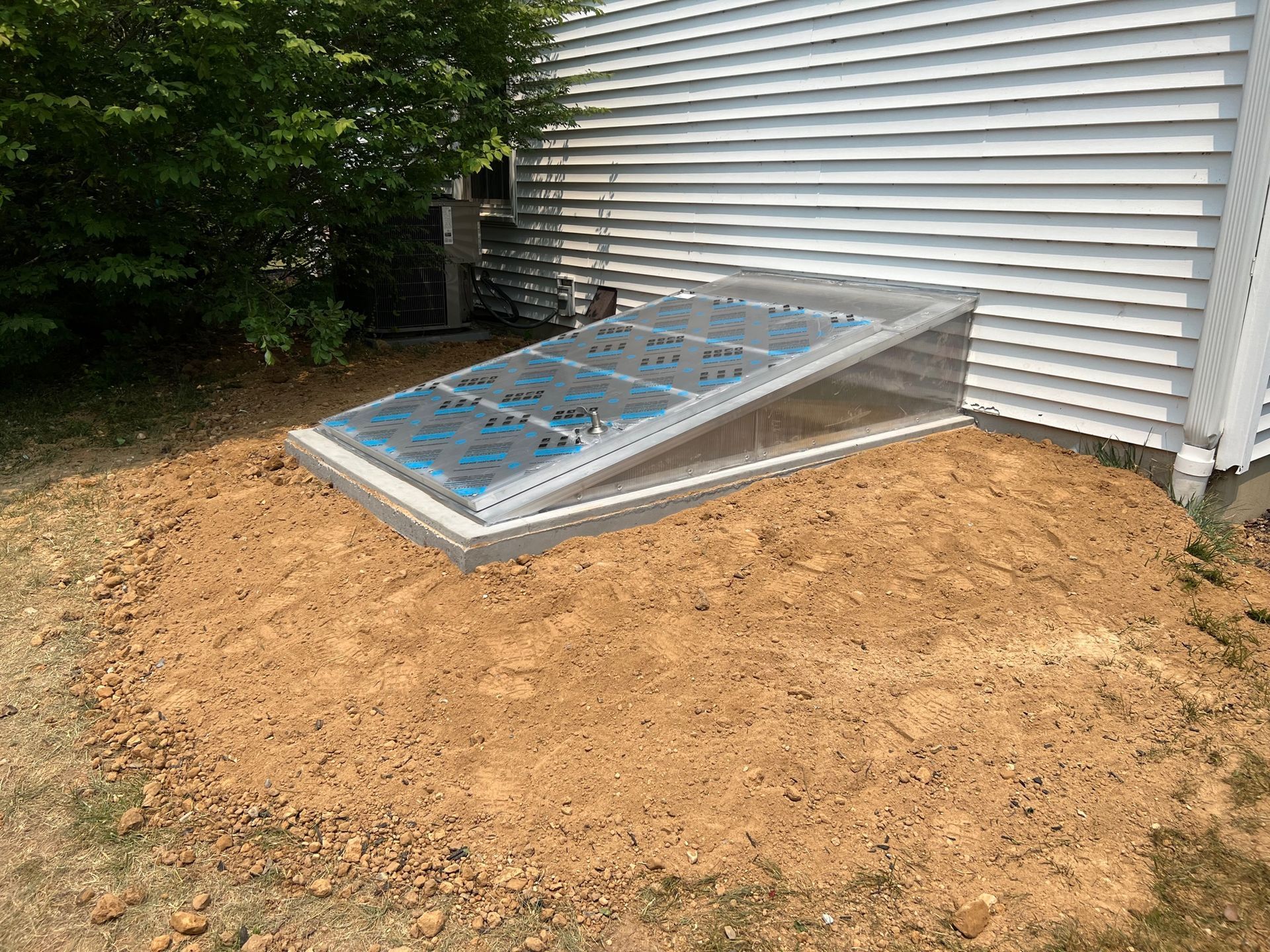
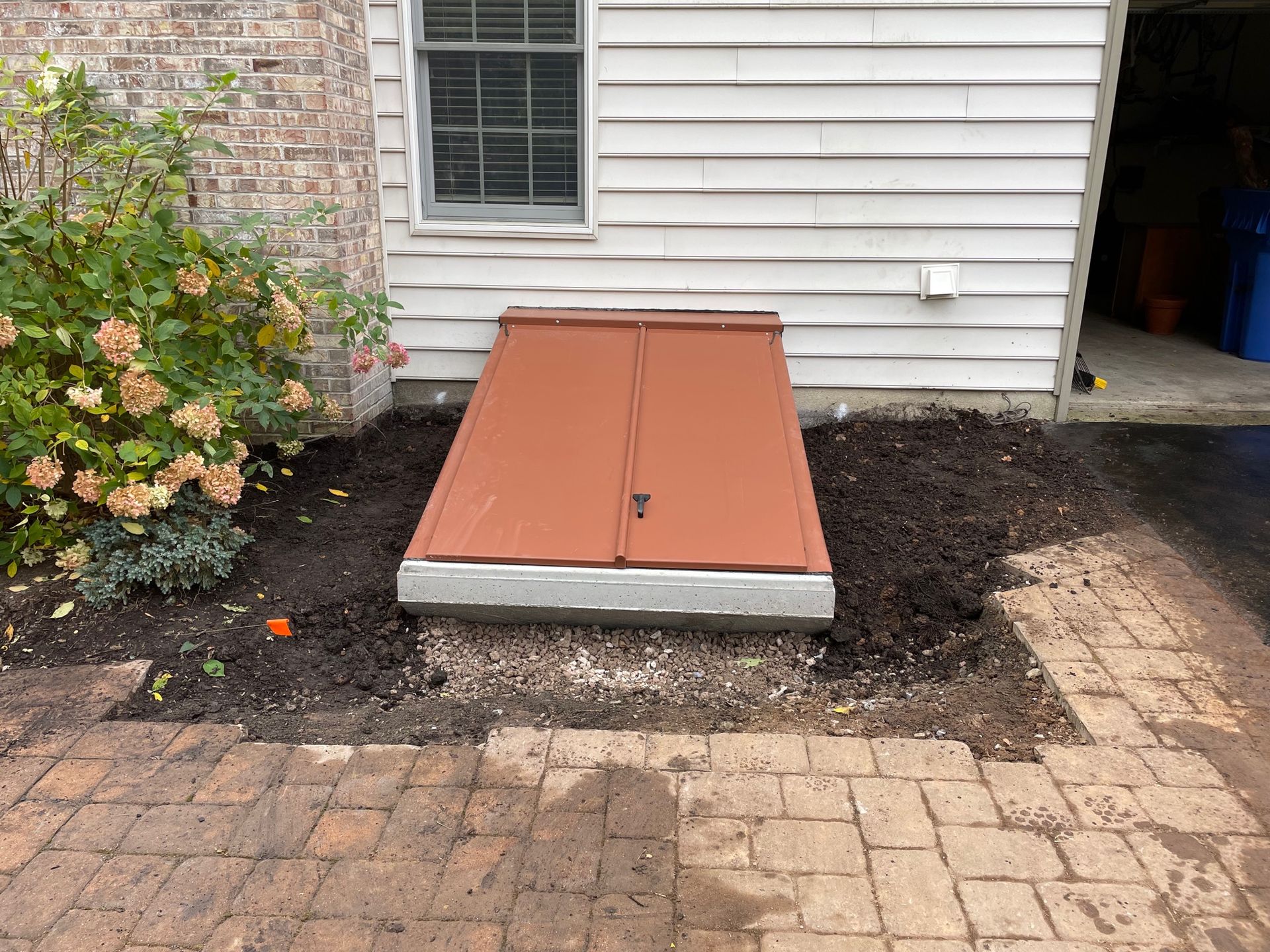
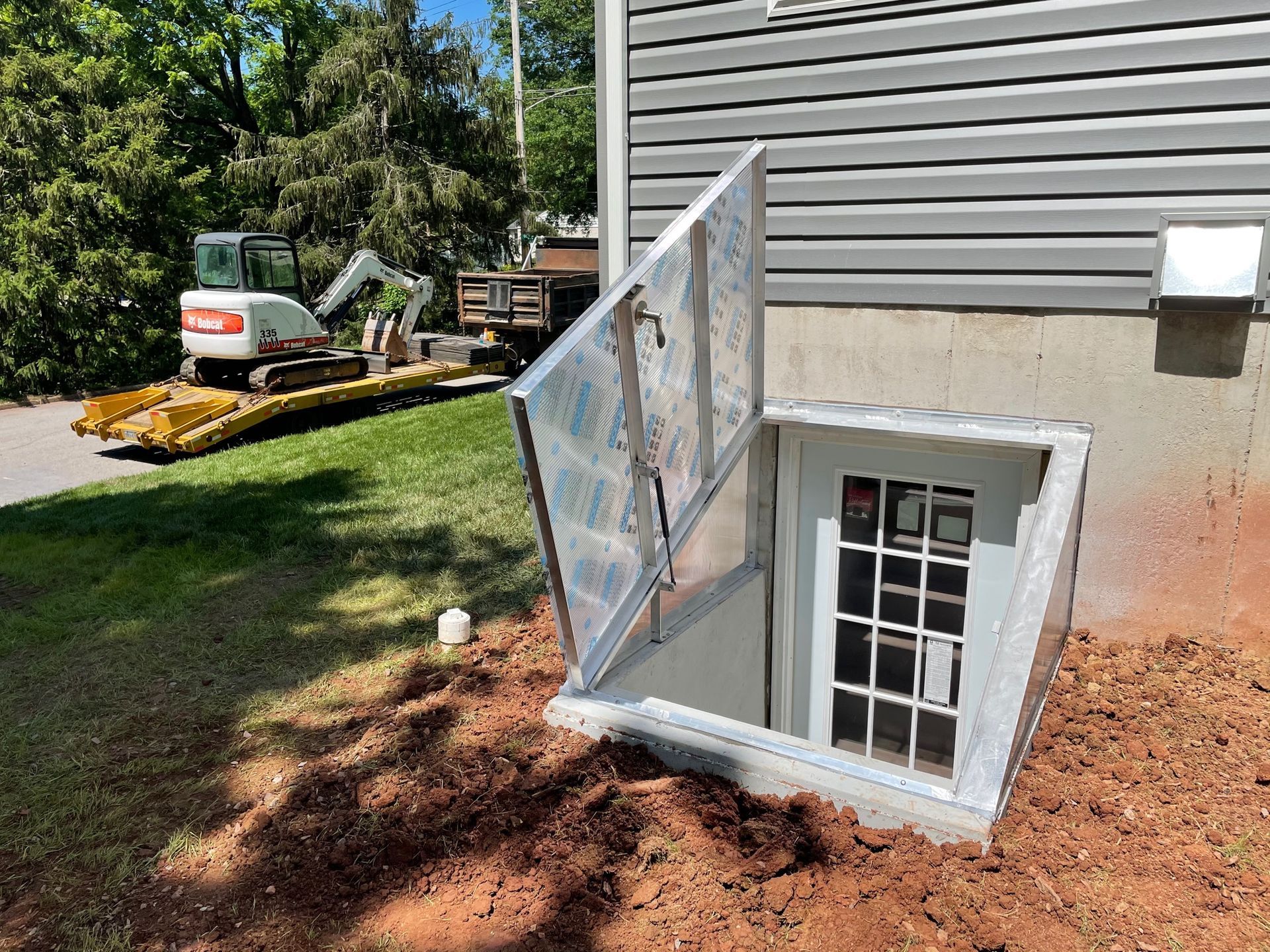
- Secure the Cover: Ensure your polycarbonate well cover sits tightly over the rim to block out driving snow and freezing rain.
- Clear the Base: Keep the gravel bed free of wet leaves that can freeze into a solid block of ice against your foundation wall.
- Check the Seal: Verify that the mounting flanges of the well are bolted tightly to the exterior concrete to prevent air from whistling down the sides.
This attention to structural detail is something clients notice firsthand when we button up their basements.
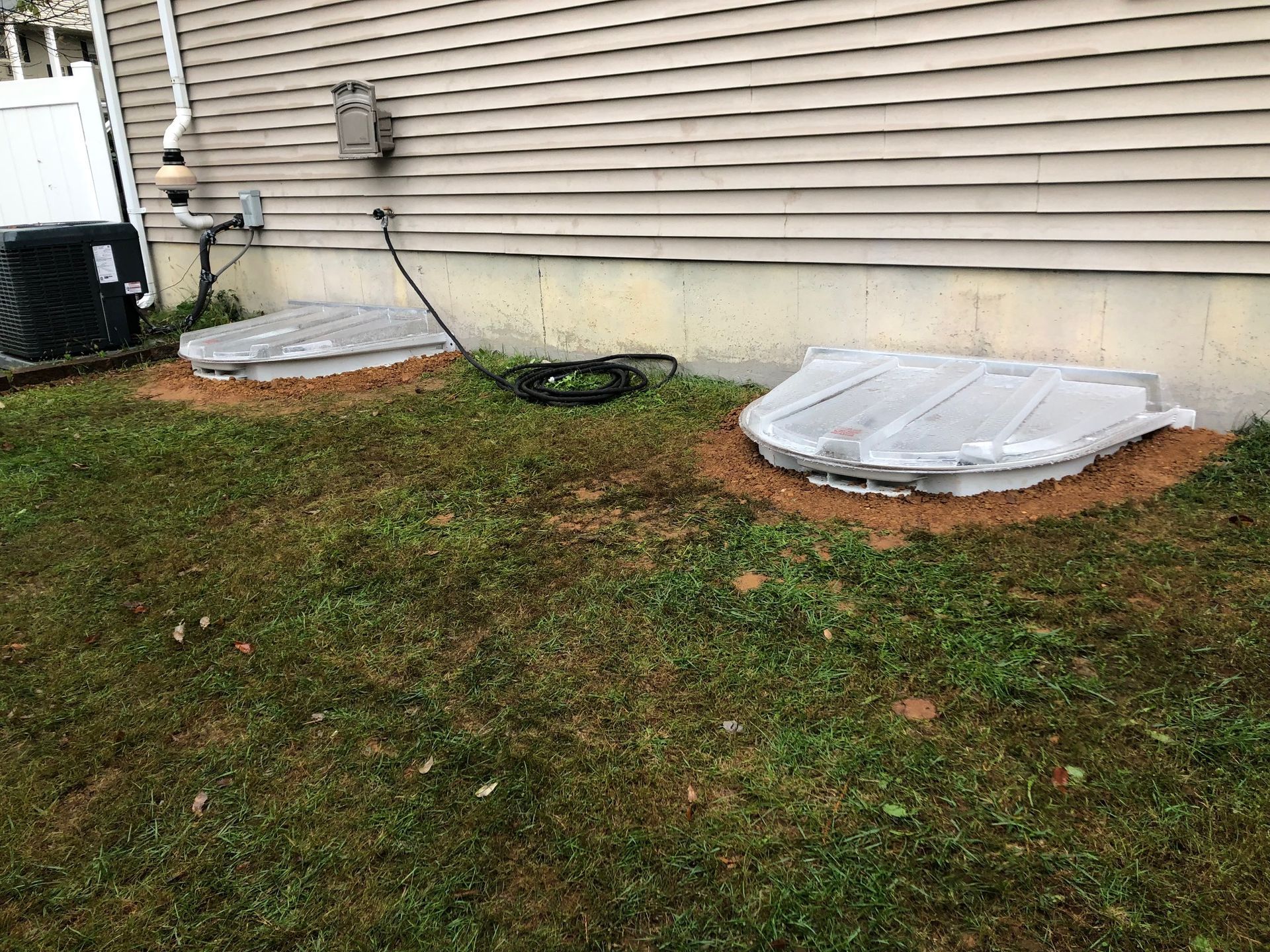
►Client Experience: Faraz Kazmi shared "Gary and his team installed two egress windows in our basement. From the initial contract process all the way to completion of the job, Gary has been a complete professional and pleasure to work with."
Handling the entire process with professionalism ensures your new windows perform exactly as promised, just as Faraz Kazmi experienced.
Tip 3: Understand the Role of Double Glazing
Modern egress windows utilize advanced materials to keep the cold out. Swapping old single pane glass for an updated system drastically changes your indoor climate.
- Thermal Barriers: Double glazed windows feature two panes of glass separated by an insulating argon gas layer that stops heat transfer.
- Vinyl Frames: Unlike old conductive metal frames, modern vinyl frames do not transfer the freezing outside temperatures into your basement walls.
- Tight Latches: New locking mechanisms pull the sash tightly against the weather stripping, creating a perfect airtight seal.
Tip 4: Check for Proper Drainage Before Freezing
An egress window cannot function safely if the well is filled with solid ice. Proper drainage prevents frost heaving from crushing the frame.
- Stone Depth: Ensure the crushed stone at the bottom of the well is at least several inches deep to promote rapid water absorption.
- Clear the Pipe: Have the interior perimeter drain checked to guarantee groundwater flows away from the window before it can freeze.
- Grade the Yard: Pitch the soil away from the well lip so melting snow runs into the yard rather than pouring into the egress area.
Frequently Asked Questions
Do energy-efficient egress windows actually lower heating bills?
Yes. Basements naturally lose a significant amount of heat through the foundation walls, and old single pane windows accelerate that loss. Installing double glazed windows with insulated vinyl frames stops the conductive heat transfer and blocks air leaks, forcing your furnace to run less frequently.
Will egress window covers support heavy winter snow?
Quality polycarbonate covers, like those used on Rockwell and Wellcraft systems, are engineered to handle the weight of heavy, wet snow. The arched design allows snow to slide off naturally, while the durable plastic prevents the freezing temperatures from making the cover brittle and prone to shattering.
Can egress windows be installed during the winter?
We regularly perform winter installations, provided the ground is not frozen solid to an extreme depth. In fact, replacing a drafty window during the colder months provides immediate relief from freezing drafts and allows you to finish your interior basement renovations while staying comfortably warm.
Locking in the Heat
Securing your basement against the bitter winter wind requires ditching your outdated single pane glass. By evaluating your frames and upgrading to energy-efficient models, you lower your utility bills and protect your family. Call our installation team today to secure a warm, compliant escape route for your home.
Share This Blog