Why Do Basement Entrances Leak in Winter? Causes and Solutions from Local Pros
Puddles forming at the base of exterior cellar stairs indicate a massive failure in the surrounding drainage infrastructure. Homeowners often attempt to patch crumbling concrete walls while ignoring the hydrostatic pressure pushing water into the stairwell. The contractors at Egress Systems, Inc. diagnose the root cause of these specific foundation leaks to prevent dangerous ice buildup on the steps. Fixing the structural drainage path keeps your basement dry and preserves your property value.
Examining the root causes of leakage:
- Clogged threshold drains
- Improper exterior grading
- Failing retaining walls
- Frequently asked questions
Clogged Threshold Drains
Clients staring at flooded floors often ask why does water pool at the bottom of my basement stairs. Water pools at the bottom of the stairs when the exterior grading directs surface runoff into the stairwell and the primary threshold drain becomes blocked by debris or frozen ice. Most exterior stairwells feature a standard floor drain tied directly into the home perimeter weeping tile system. When dead leaves and winter grit clog this small grate the water has nowhere to go but under the door and into your finished living room. Keeping this grate completely clear of ice and debris is your first line of defense against flooding.
Improper Exterior Grading
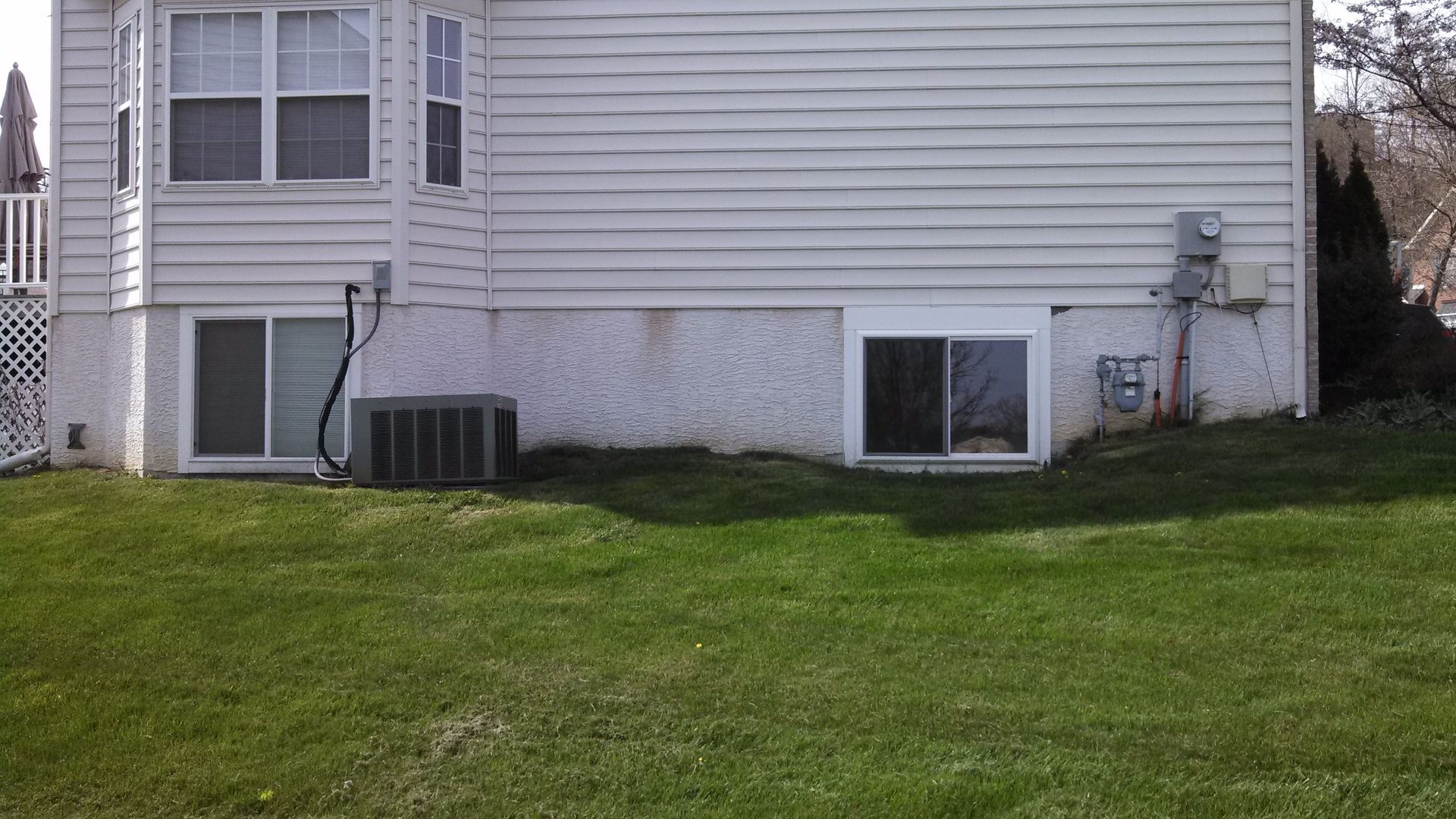
The ground surrounding a custom basement entrance must slope aggressively away from the retaining walls. Over time the backfilled soil settles and creates a negative slope that funnels melting snow directly toward the stairwell opening. When the ground freezes solid this surface water cannot absorb into the earth and instead pours over the top of the concrete walls. We regrade the surrounding soil and install proper surface swales to catch this water before it ever reaches the entrance.
Failing Retaining Walls
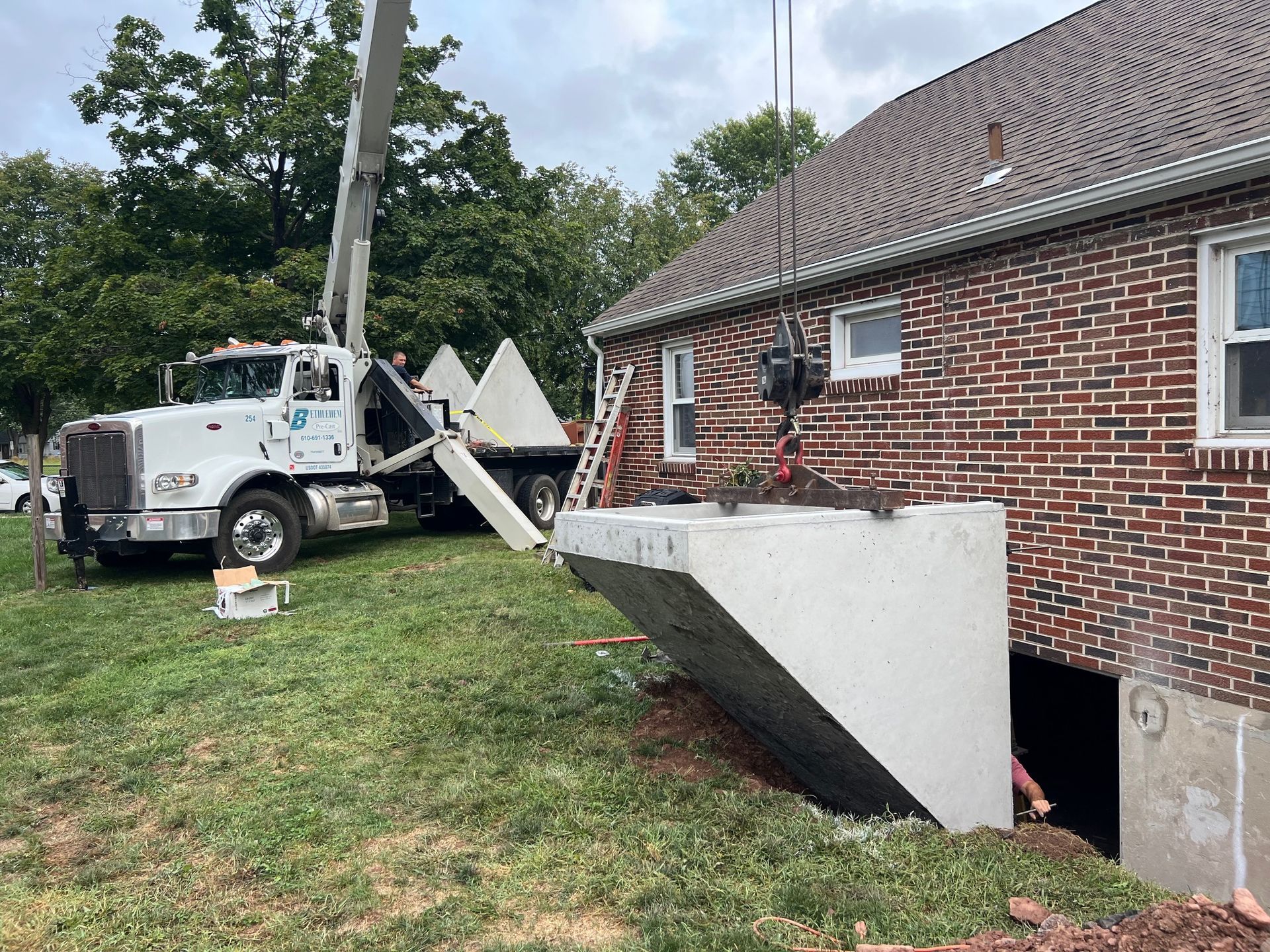
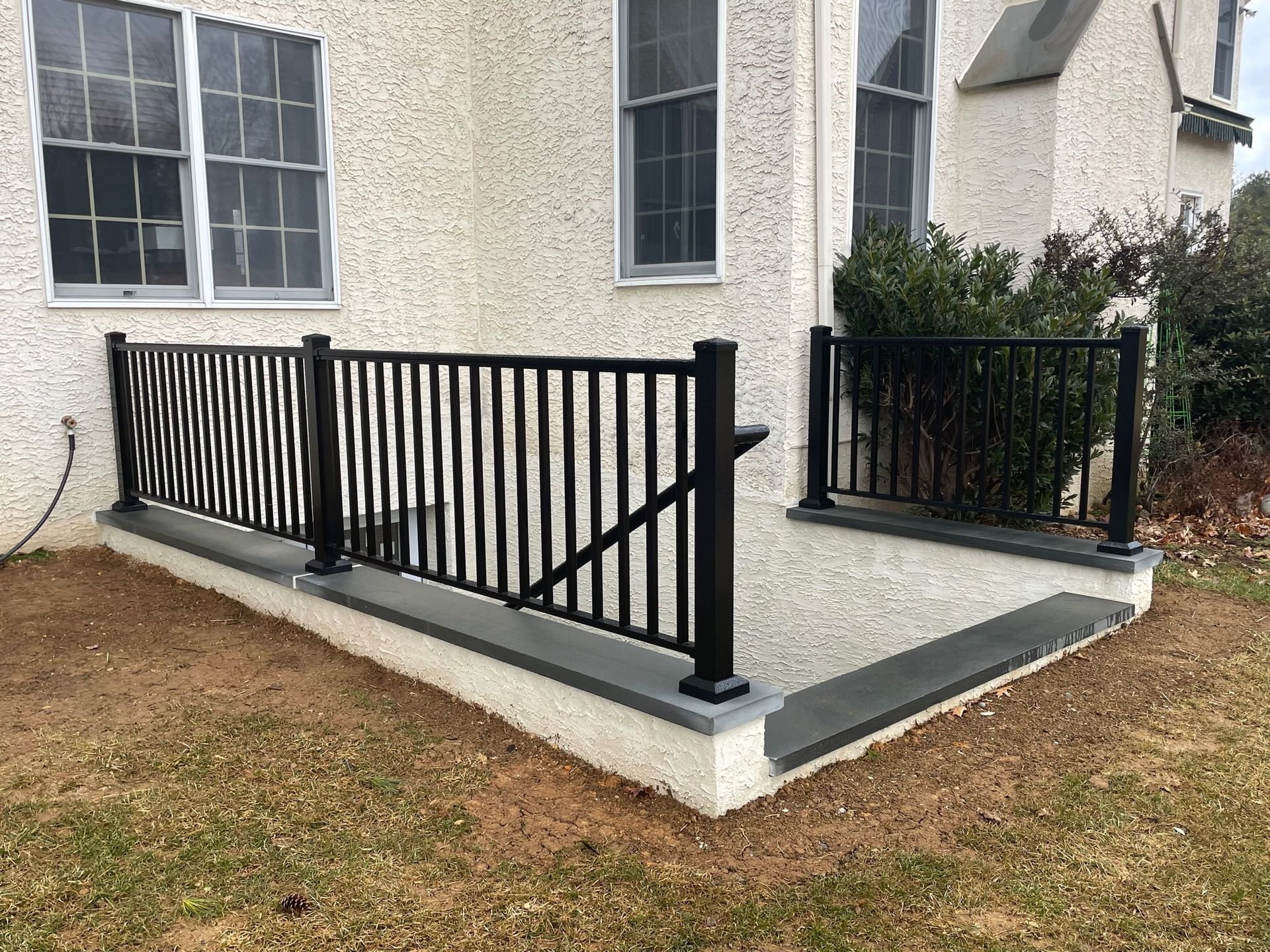
Older masonry stairwells often lack the steel reinforcement needed to hold back thousands of pounds of wet freezing soil. The expanding frost slowly pushes the cinderblocks inward causing deep horizontal cracks to form along the mortar joints. Groundwater easily forces its way through these cracks and runs constantly down the steps. We repair these failing walls and apply heavy rubberized waterproofing membranes to the exterior block faces to stop the hydrostatic pressure entirely. Residents in Lehigh County and Northampton County trust our general contracting expertise to secure these aging structures.
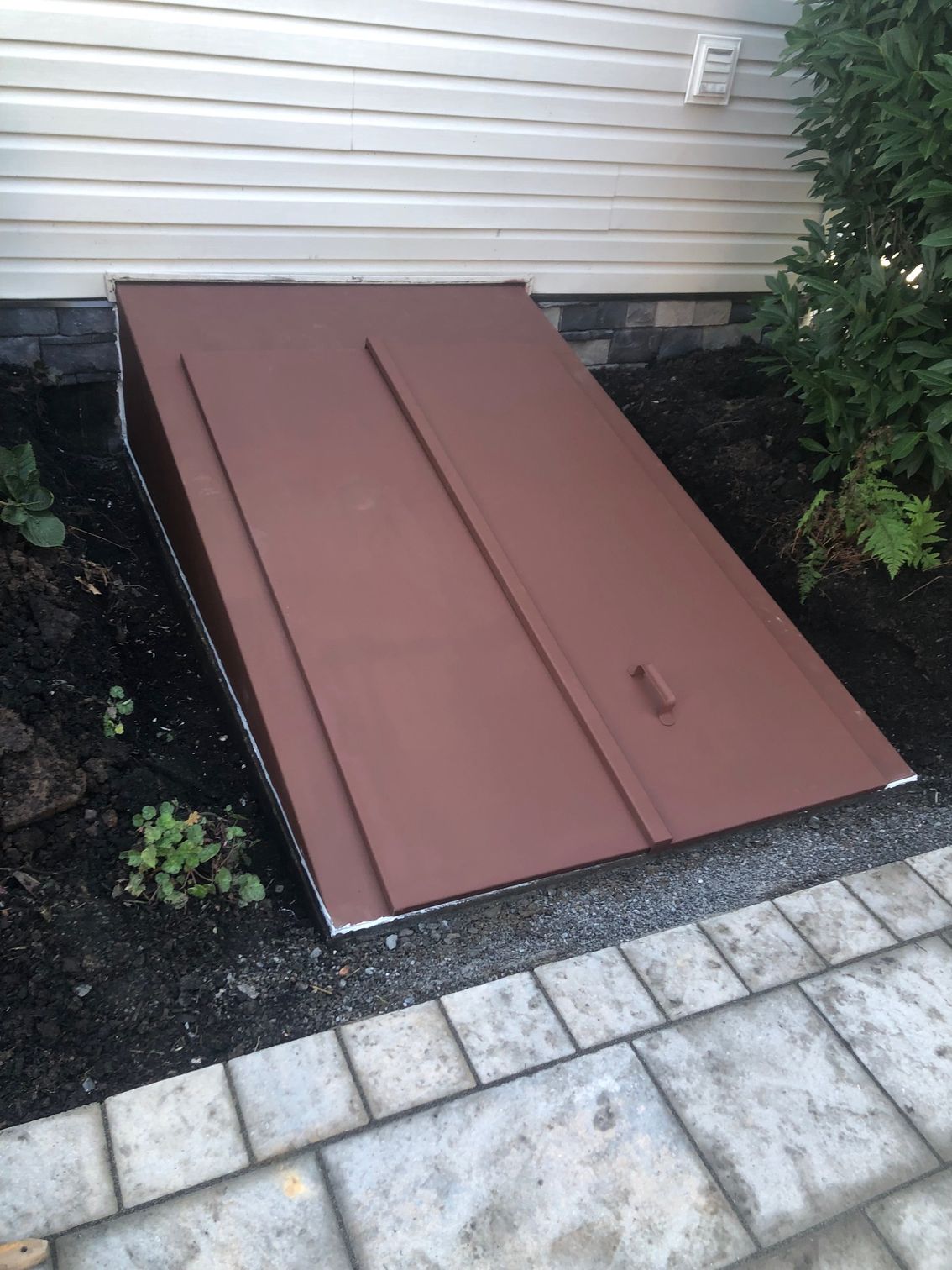
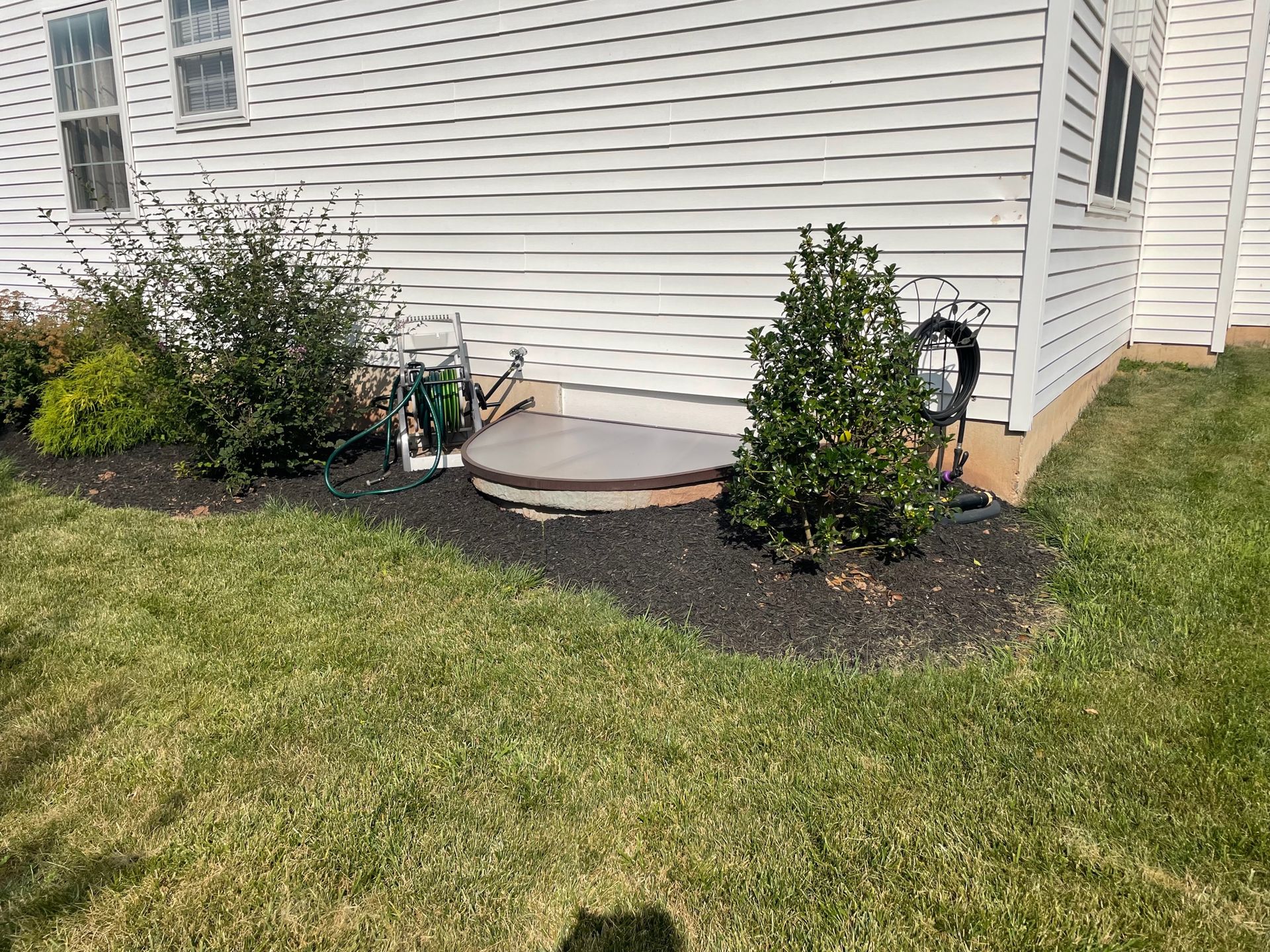
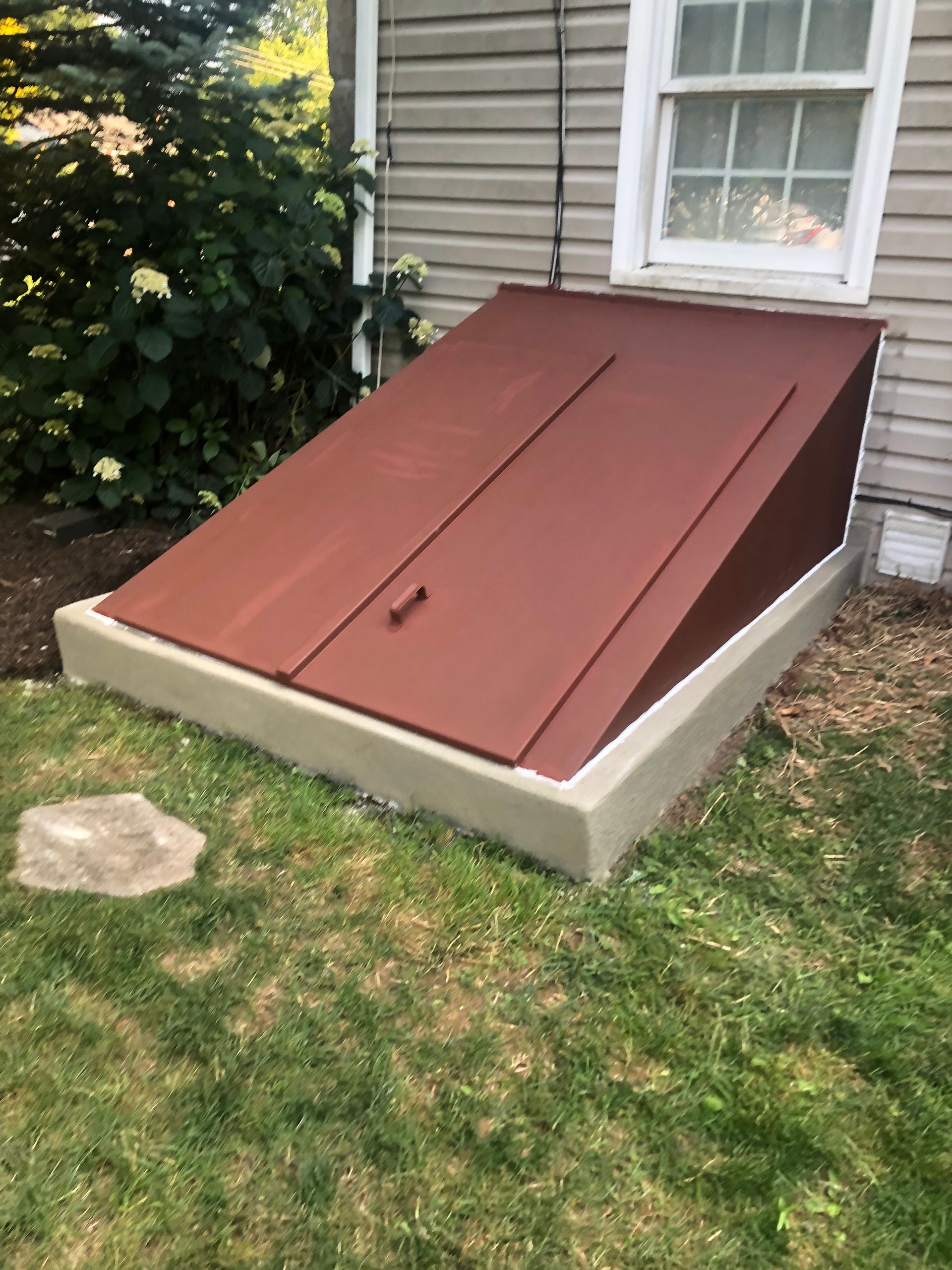
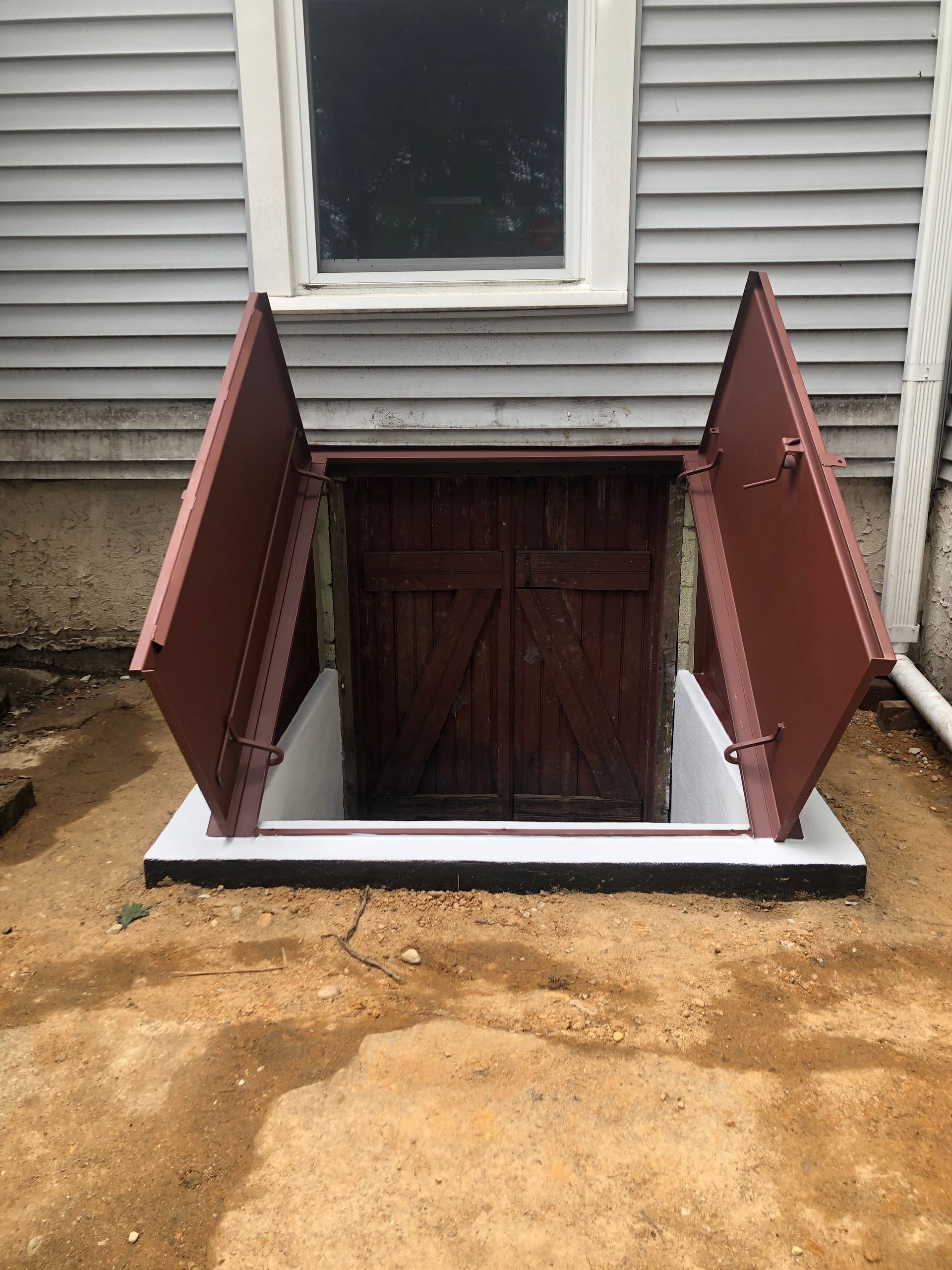
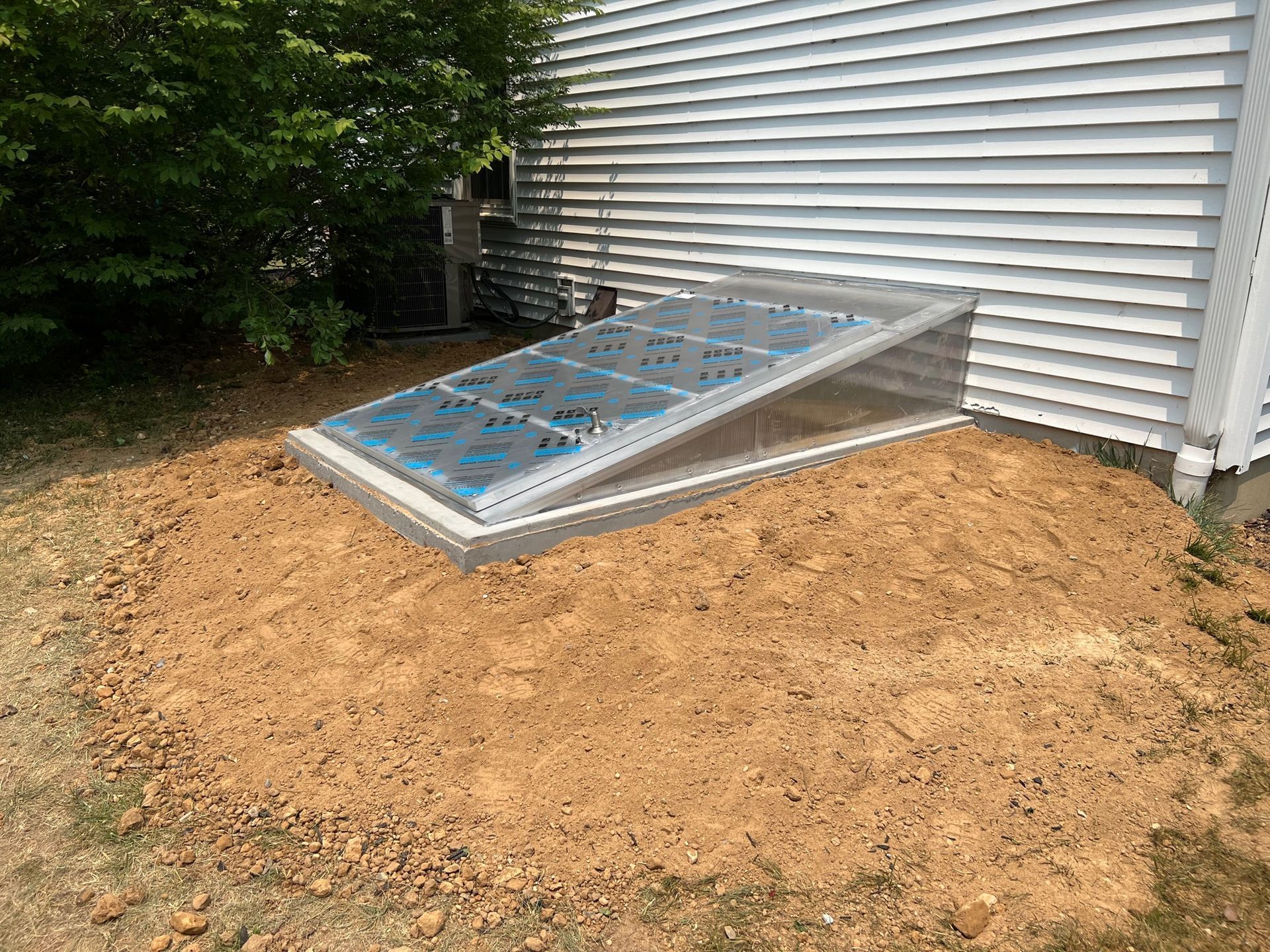
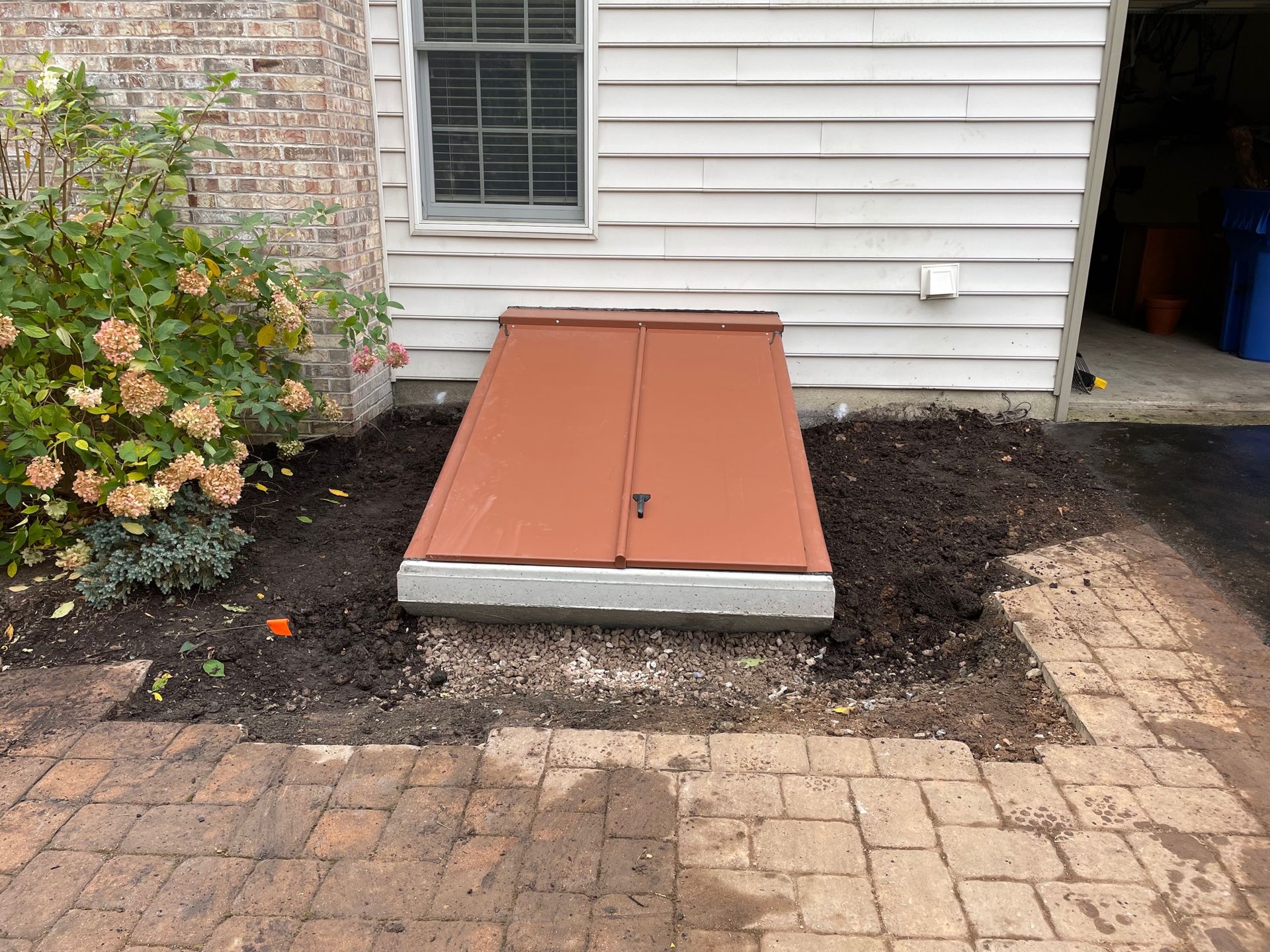
We routinely upgrade these failing block walls with fresh Bilco doors to provide a secondary layer of weather protection.
Frequently Asked Questions
Can I just put a roof over the stairwell?
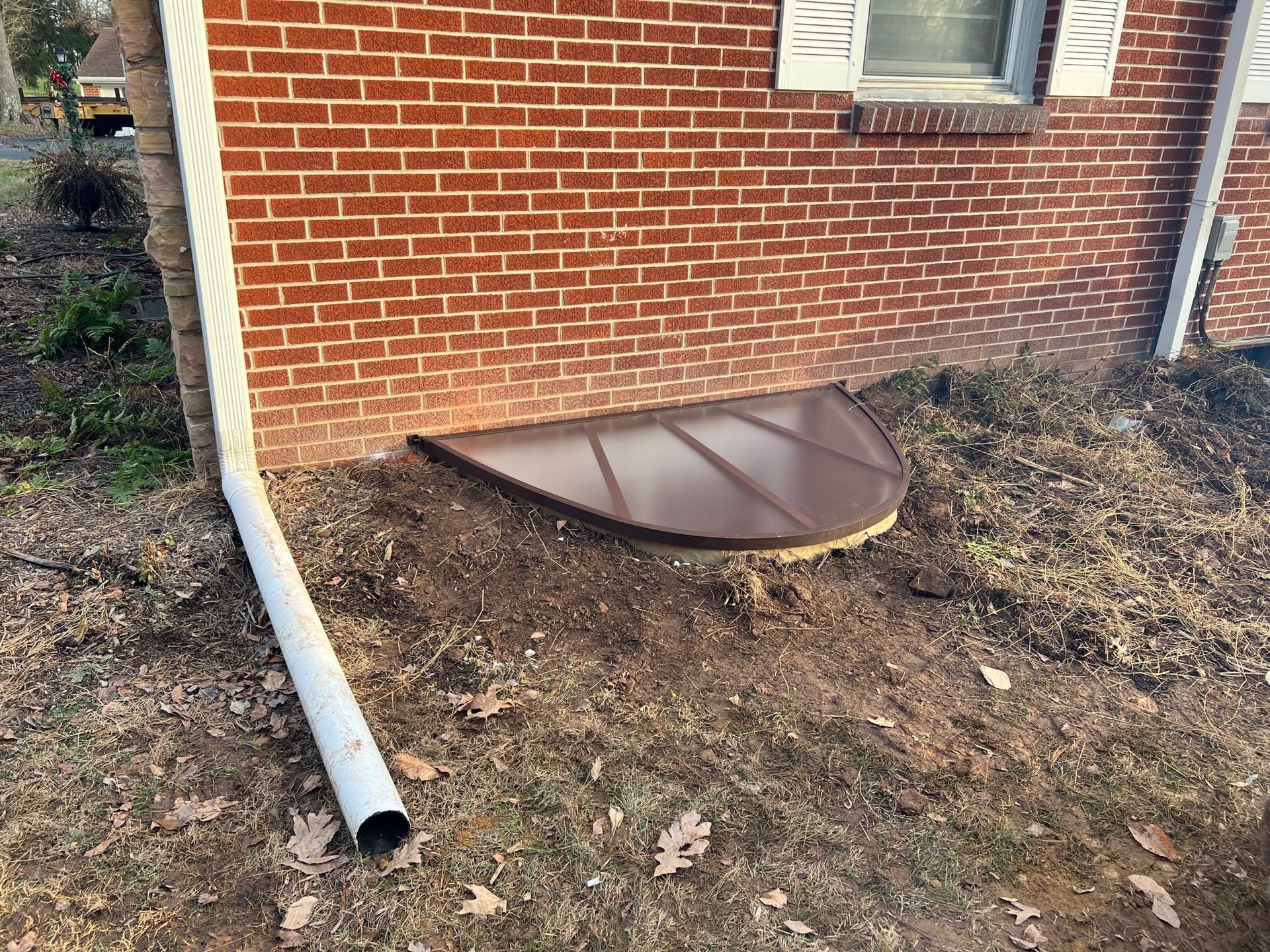
Building a small roof structure blocks direct rain but it does not stop groundwater from pushing through the concrete walls or coming up through the floor drain.
Do you install new drains if my stairwell does not have one?
Yes we can cut through the existing concrete slab and tie a new heavy-duty drain line directly into your existing perimeter foundation drainage system.
Restoring Your Stairwell Drainage
Correcting the water flow around your foundation prevents black mold and rotted drywall inside your home. Addressing the mechanical failures outside ensures your basement remains a comfortable usable space all year long. Call our estimating team today to review your drainage solutions.
Share This Blog